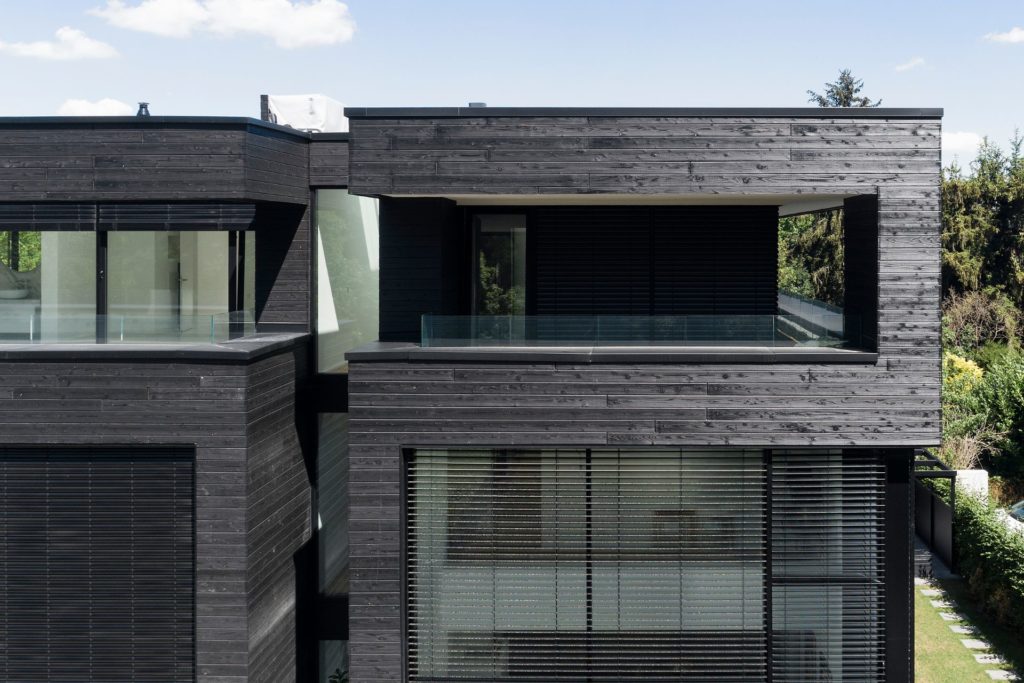
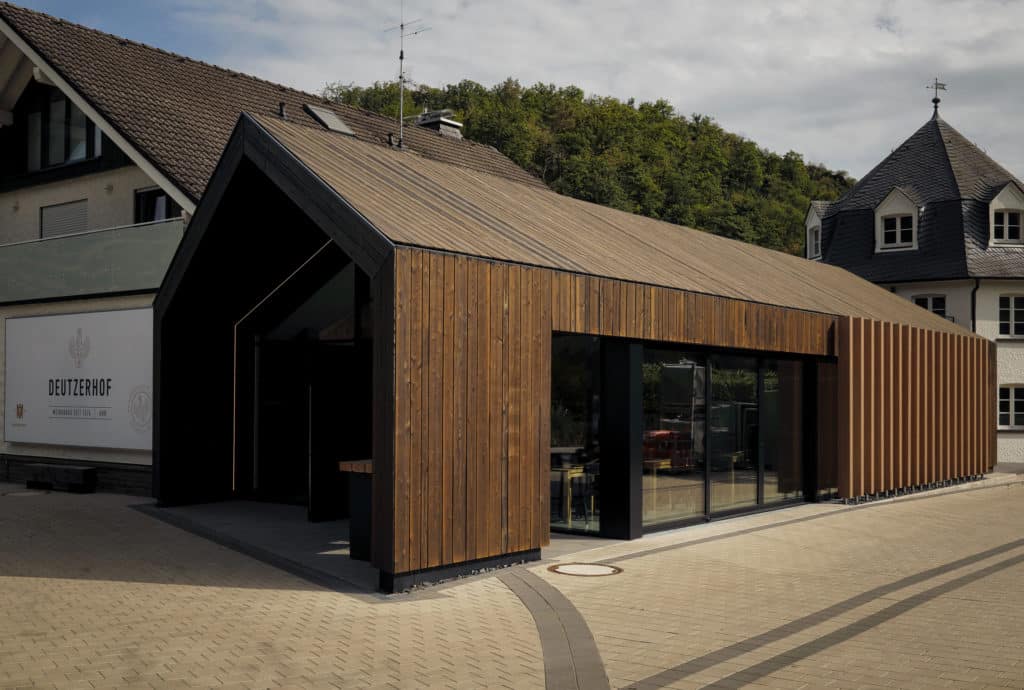
Black wood

Natural black façades with Yakisugi

Black Wood – The Art of Yakisugi

A traditional heat treatment

for extraordinary durability

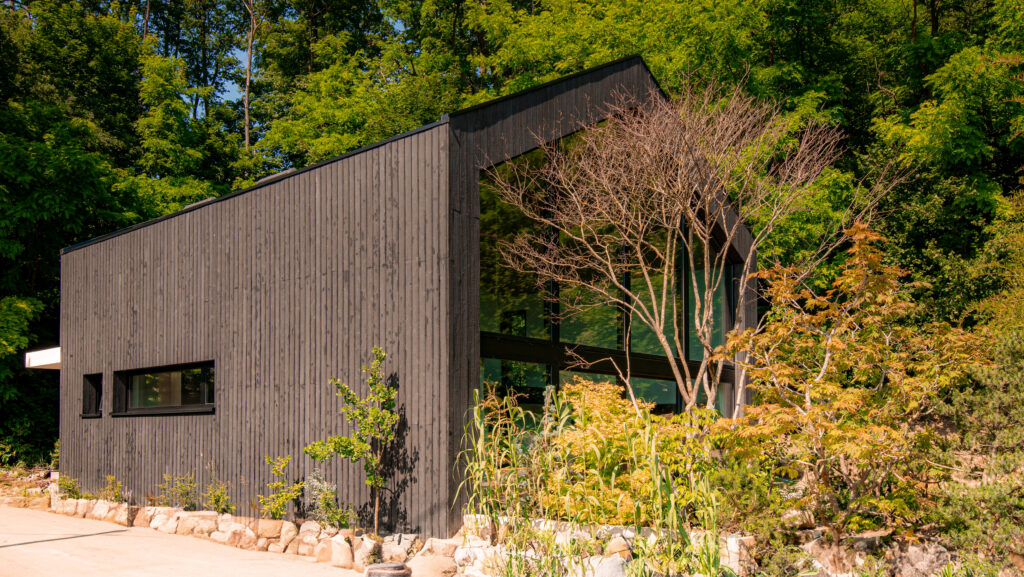
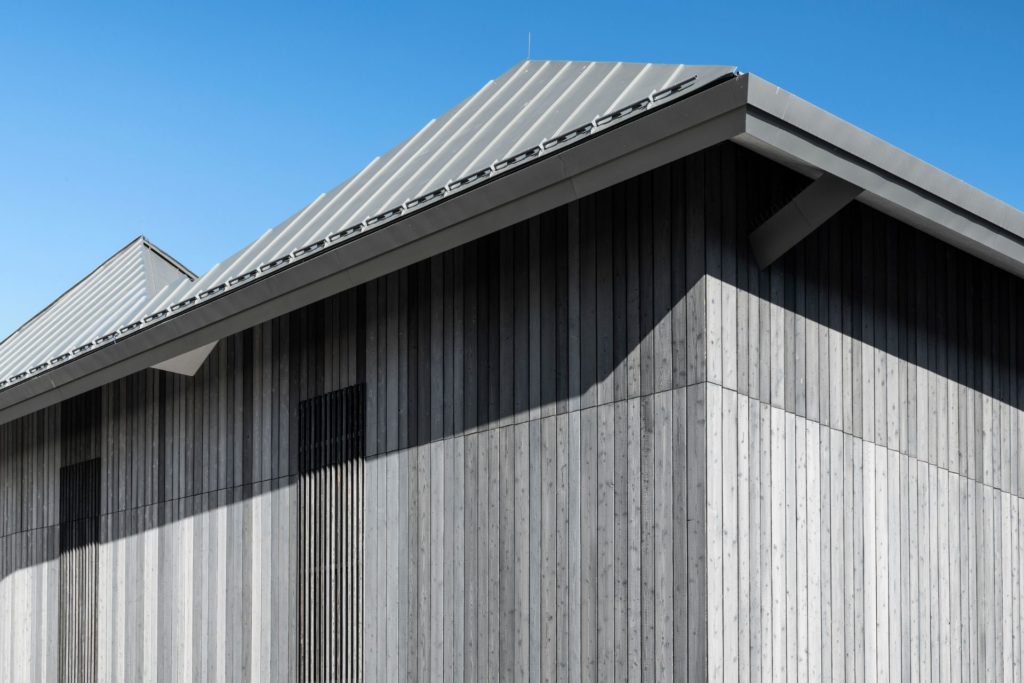
Black wood is a unique cladding material: Yakisugi (also known as Shou Sugi Ban), produced from Japanese cedar using a traditional charring process that has been practised in Japan since the 18th century. The name roughly translates as “burnt cedar”. The deep black colour comes from fire alone, not paint or coating.

We use authentic Japanese cedar as our base material, refined with precision according to traditional craftsmanship. Our black wood is available in three finishes:

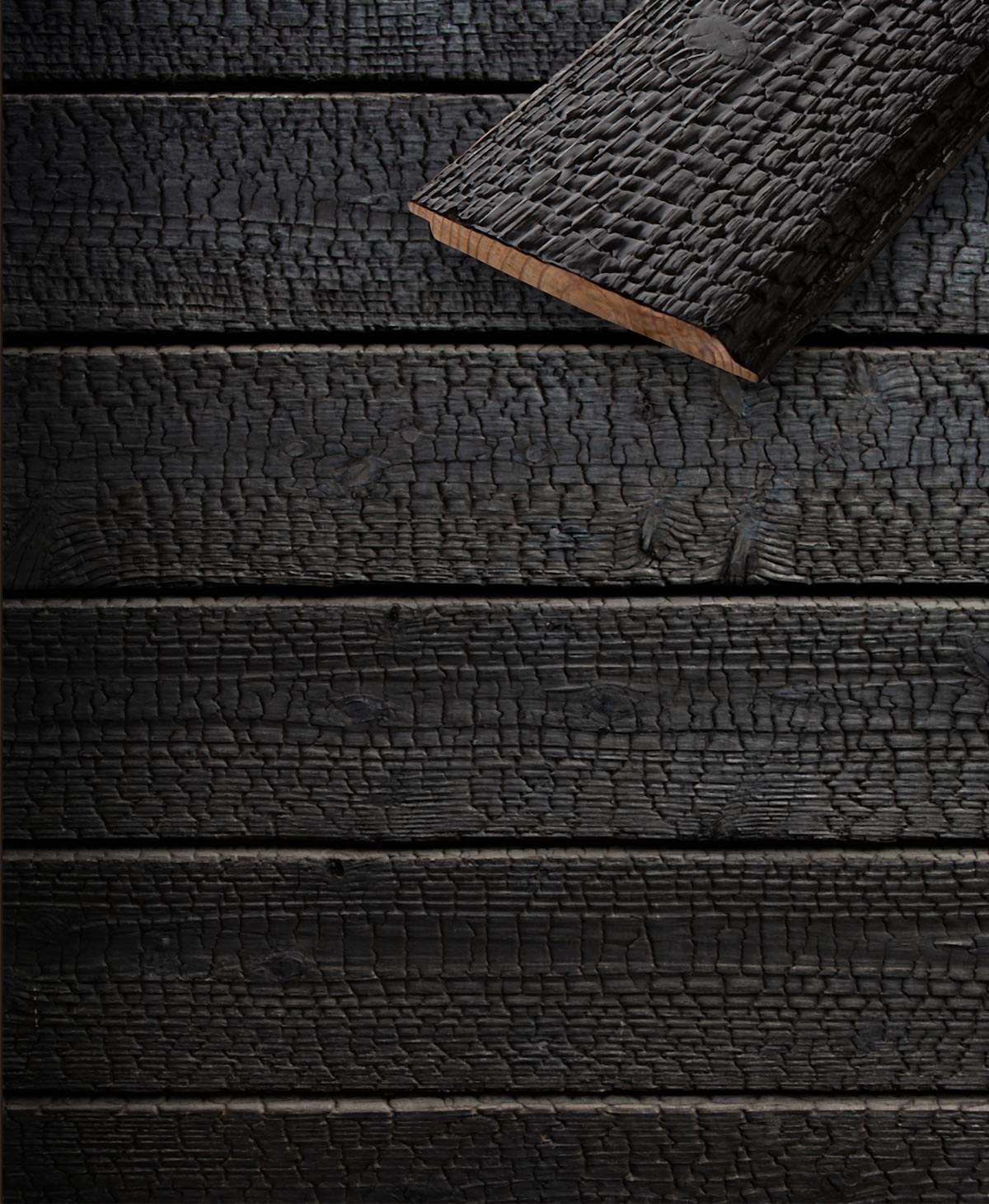
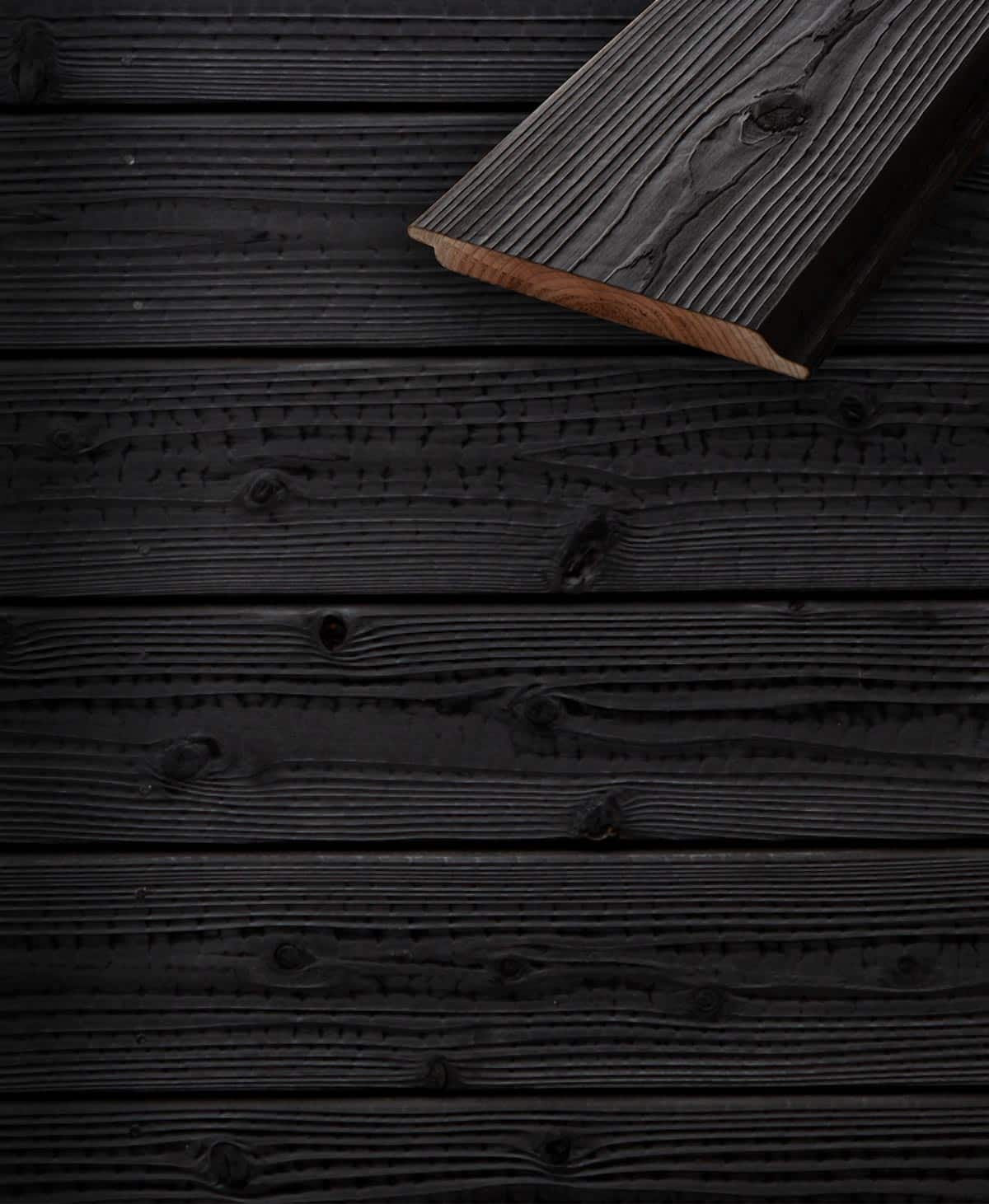
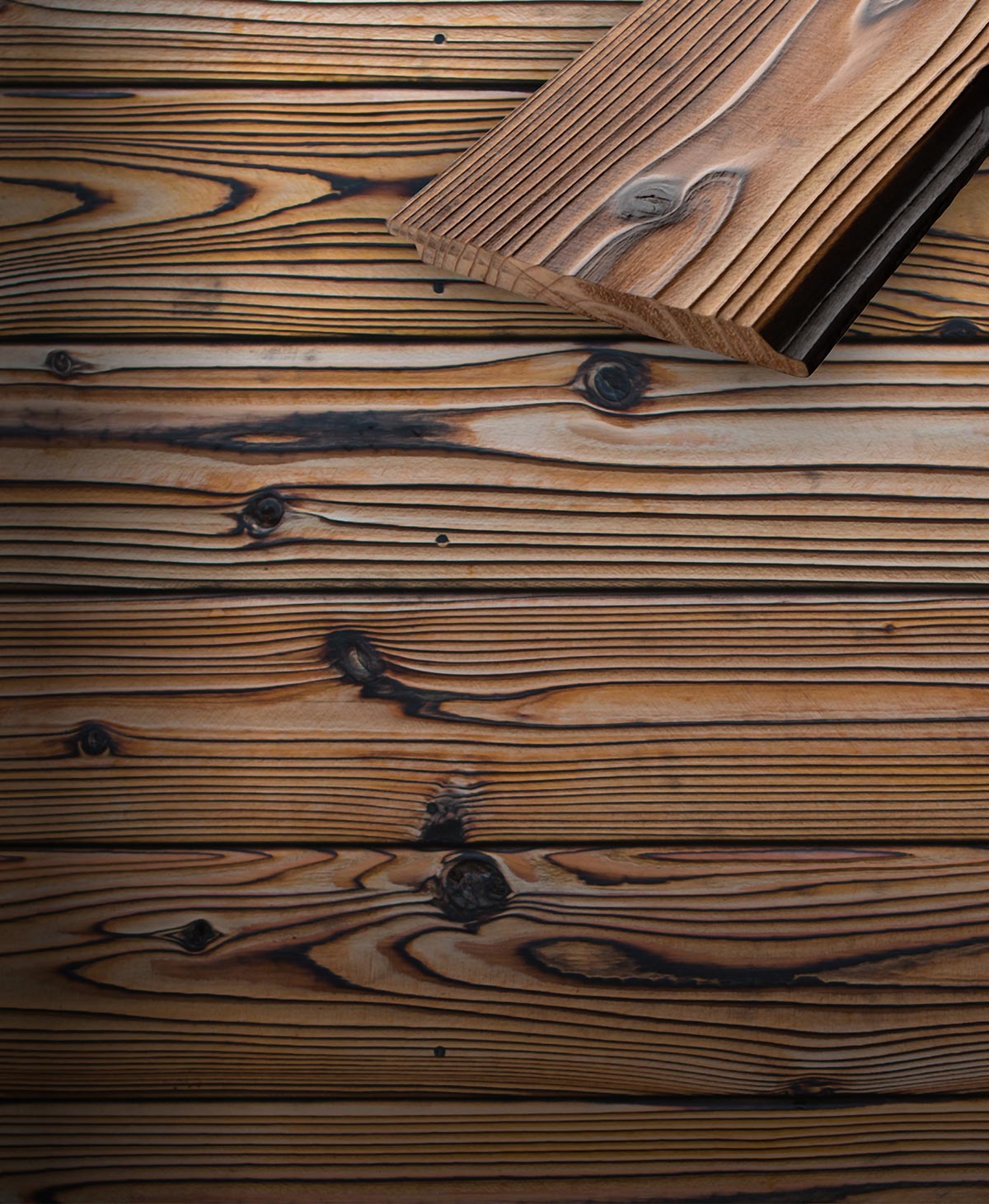
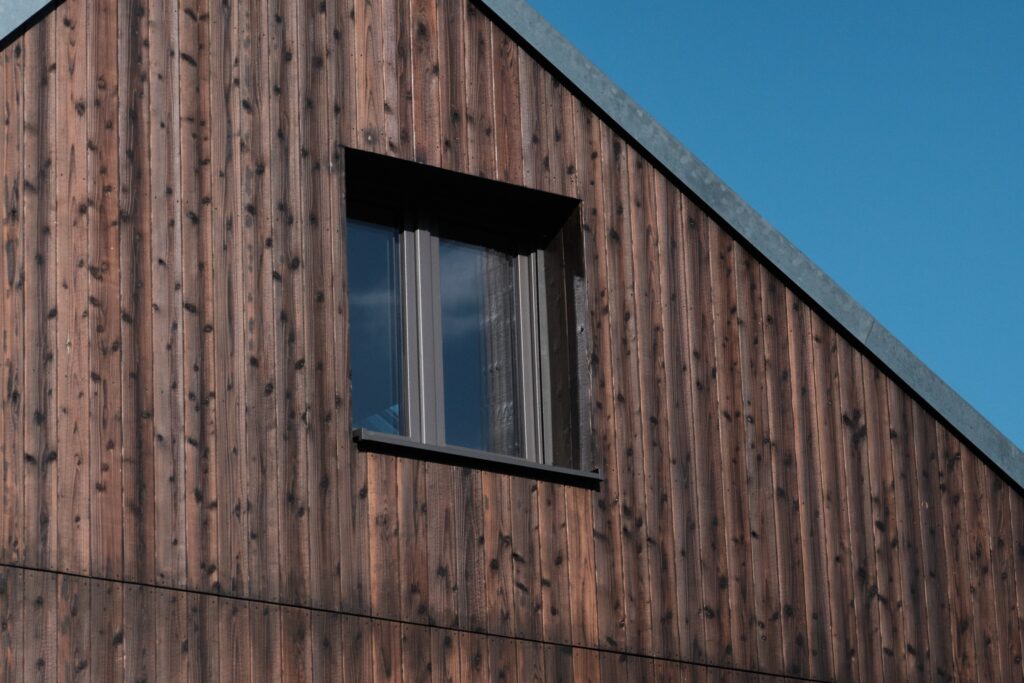
Suyaki retains the full carbonised surface, showcasing the striking texture and deep black colour of charred wood. Gendai and Pika-Pika are brushed once or twice respectively, gradually revealing the wood grain and the natural colours of the cedar beneath.

Black wood - what makes this timber so special?

Weather resistant, insect repellent

and durable

Black wood is characterised by more than just its colour. In Yakisugi (Shou Sugi Ban), the surface of the wood is deliberately charred, but only the outermost layer of the wood is treated. The carbonisation changes the surface structure fundamentally.

Thanks to this very special surface structure, black wood treated using the Yakisugi (Shou Sugi Ban) method becomes water-repellent, more robust and therefore more durable.

In addition, black wood also has a natural defence function against insect and mould infestation.
For products intended for indoor use, the charcoal layer is also fixed for better durability.

We use authentic Japanese cedar — not because other timbers can’t be charred, but because no other species matches its properties: lighter than European façade timbers, virtually resin-free, and naturally durable. The result is a surface that needs no chemical wood preservatives and no solvents: just fire, craftsmanship, and a material that has proven itself over centuries.

Thanks to the traditional heat treatment, Yakisugi is resistant to rot and thus achieves exceptional weather resistance without any additional protective coating. It effortlessly defies the most adverse conditions, be it humidity, moisture, extreme heat, or frost.

Yakisugi is characterised by its remarkable durability. Sugi (Japanese cedar) is by nature superior in durability compared to conventional European cladding timber. The heat treatment adds further decades of years to this natural durability: there are numerous buildings in Japan with Yakisugi façades which are over 80 years old and have lost nothing of their beauty and functionality.

The Nakamoto Forestry family business has been producing Yakisugi in Japan for over 60 years. Our forests are PEFC/SGEC-certified (JIA-022 / CEFC 1901); Nakamoto Forestry Europe holds PEFC Chain of Custody certification (TÜV Nord 44 702 200728).

The cedar timber used for our Yakisugi come from our own forest stands and are selected with the utmost care. The burning process, which has been refined over decades, is continuously developed to offer you outstanding quality for your building project.

Our Yakisugi is the Japanese original, made from Japanese cedar and burned exclusively in Japan. The Nakamoto family has been active in wood production for over one hundred years and has been refining the boards from its own production using the traditional method for more than 60 years.

Black wood, the ideal option for modern and individual tastes

Black wood for your

design concept

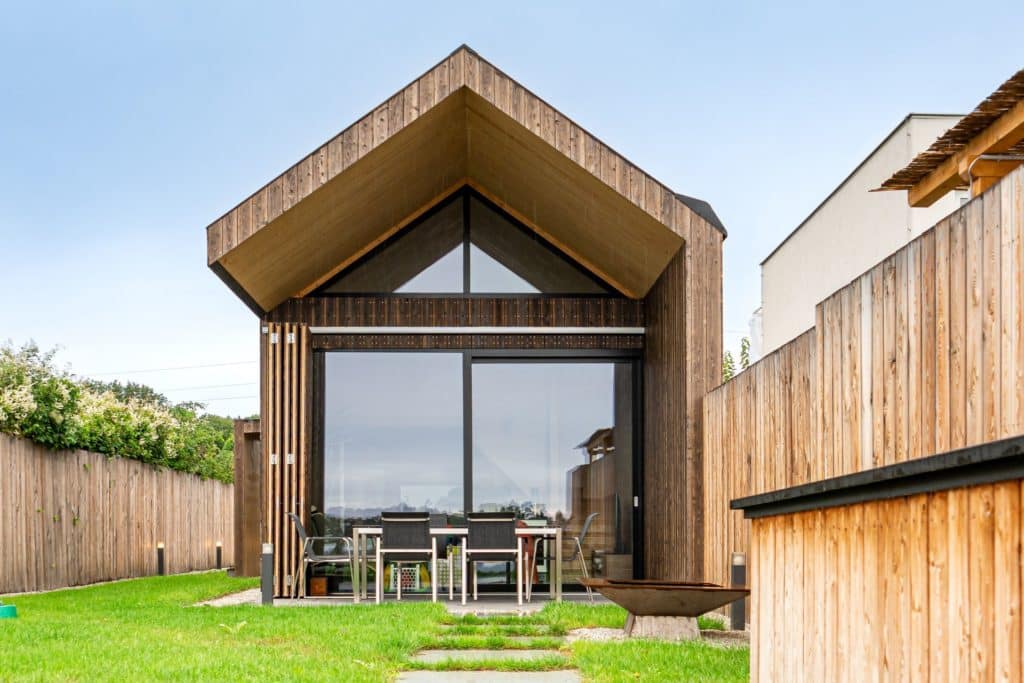
Black wood is a very special eye-catcher for any home. Durable and low-maintenance, Yakisugi (Shou Sugi Ban) is also becoming increasingly popular in Western countries in North America and Europe.

Black wood from Japanese cedar is a renewable material from PEFC-certified forestry — chemical-free, low-maintenance, and built to last for decades.

Convince yourself of the quality and versatility of our range today! You can browse through our portfolio and look forward to short, customer-friendly delivery times at any time.

We are happy to offer personal advice and recommend the most suitable black wood from our range!

Black wood

A very versatile building material

You can use black wood anywhere that wood is typically used for surface design, such as in interior construction. The distinctive visual and characterful qualities of the material are advantageous in a wide range of contexts. No wood surface treated using this traditional method is ever quite the same as another. Black wood is therefore ideally suited to bringing your personal design visions to life.

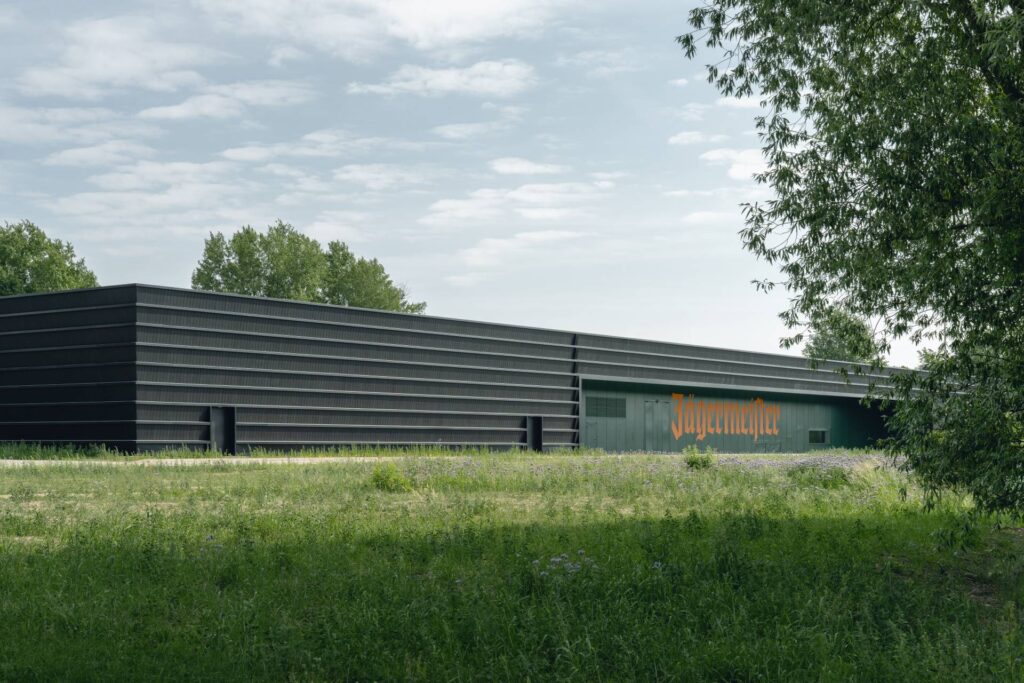
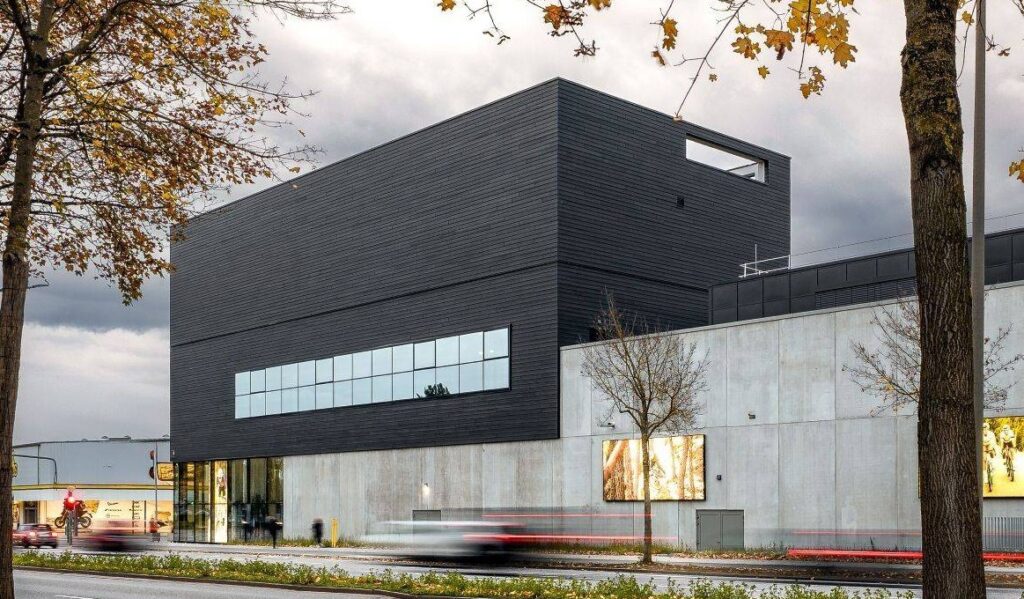
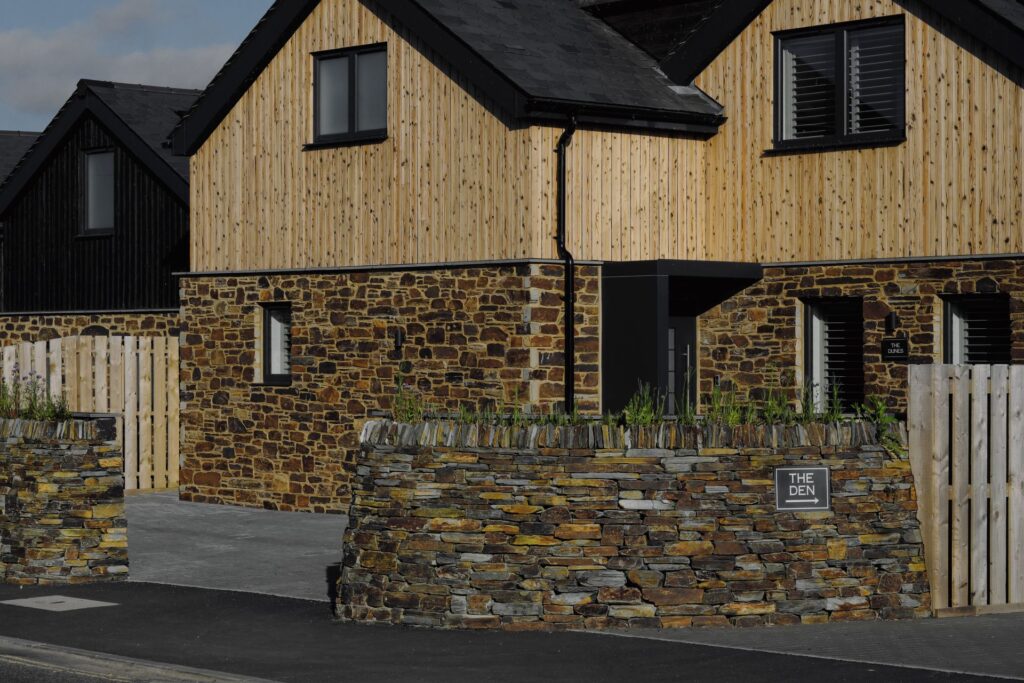
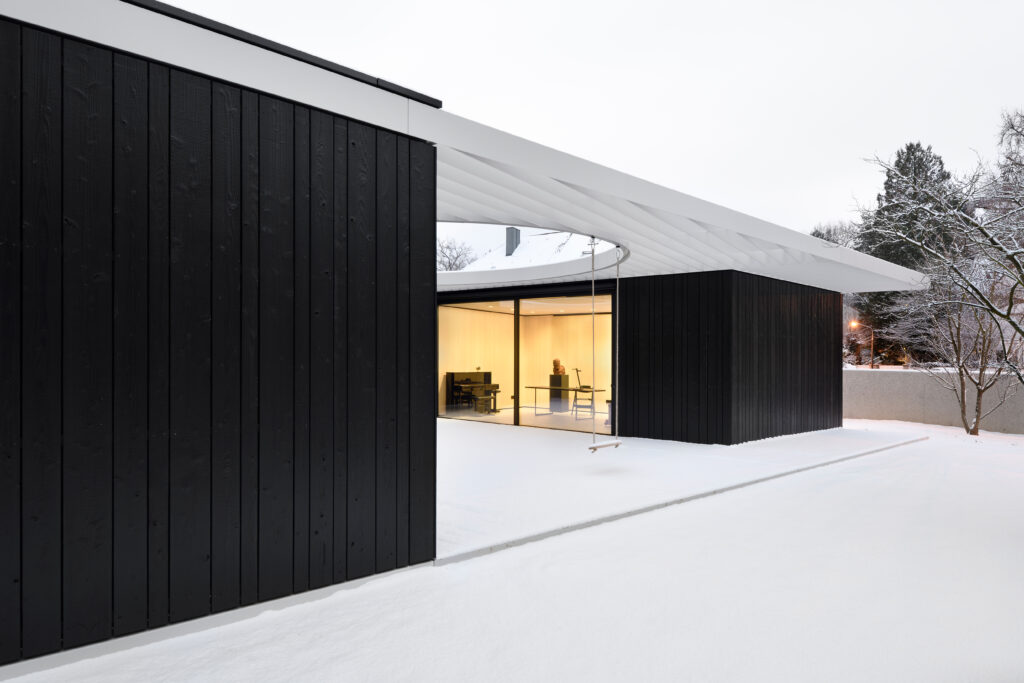
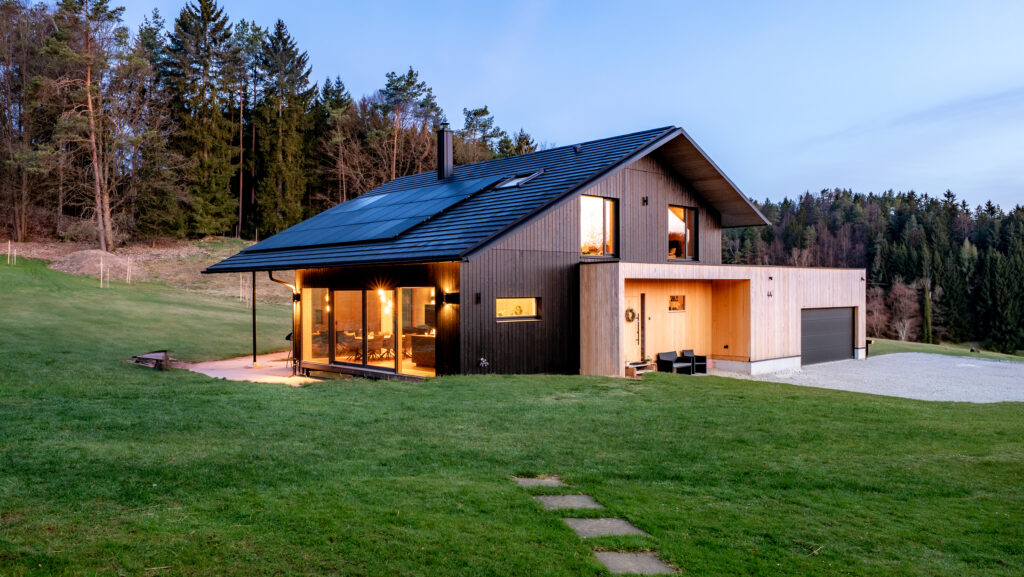
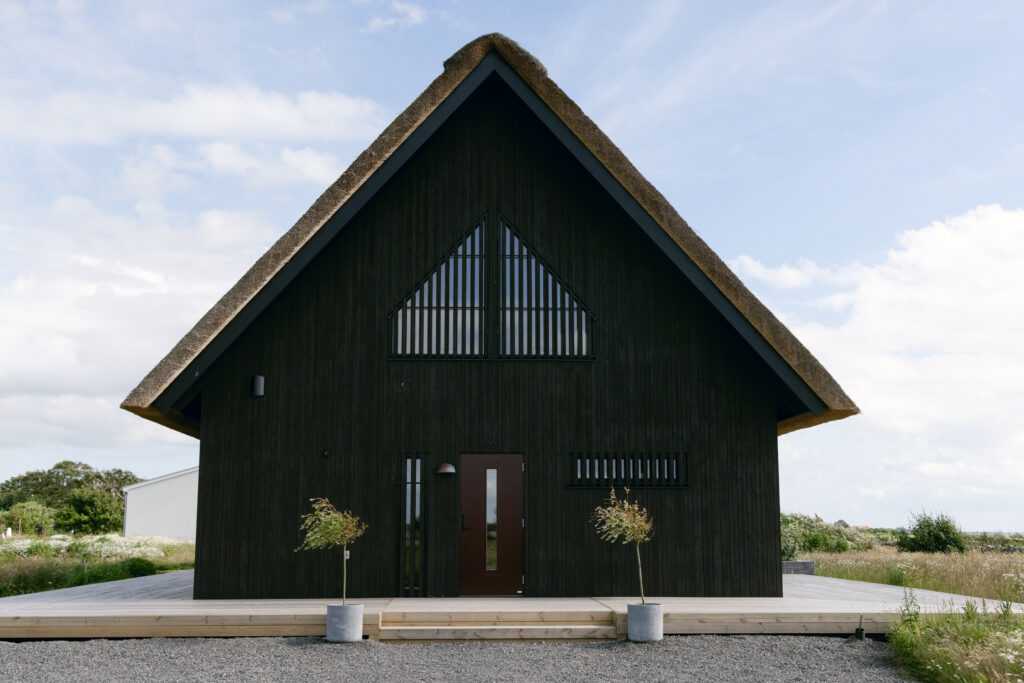
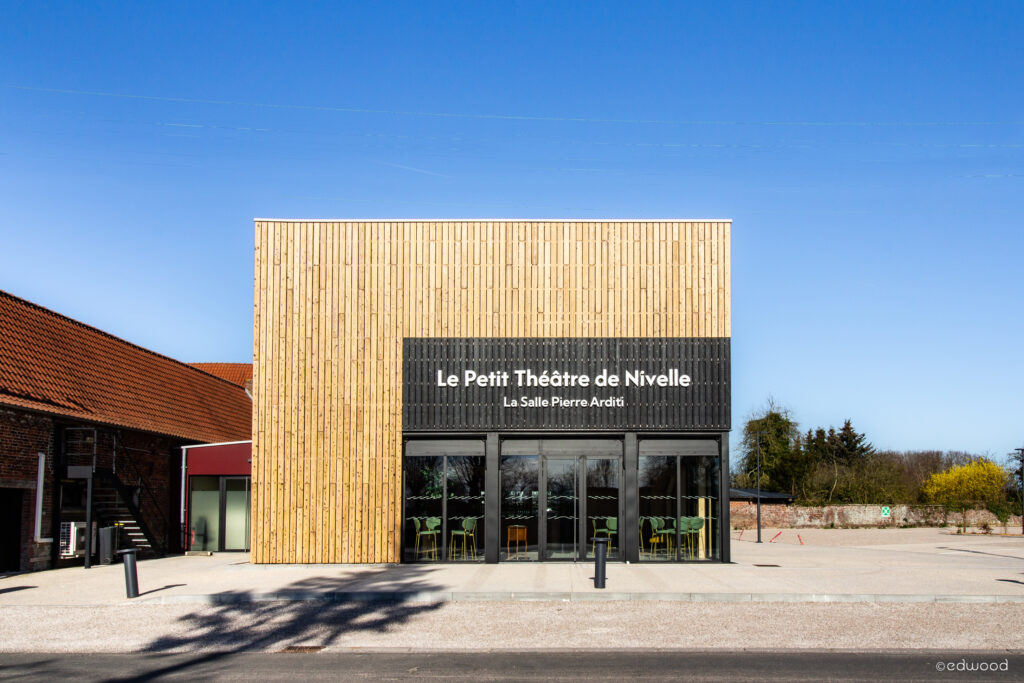
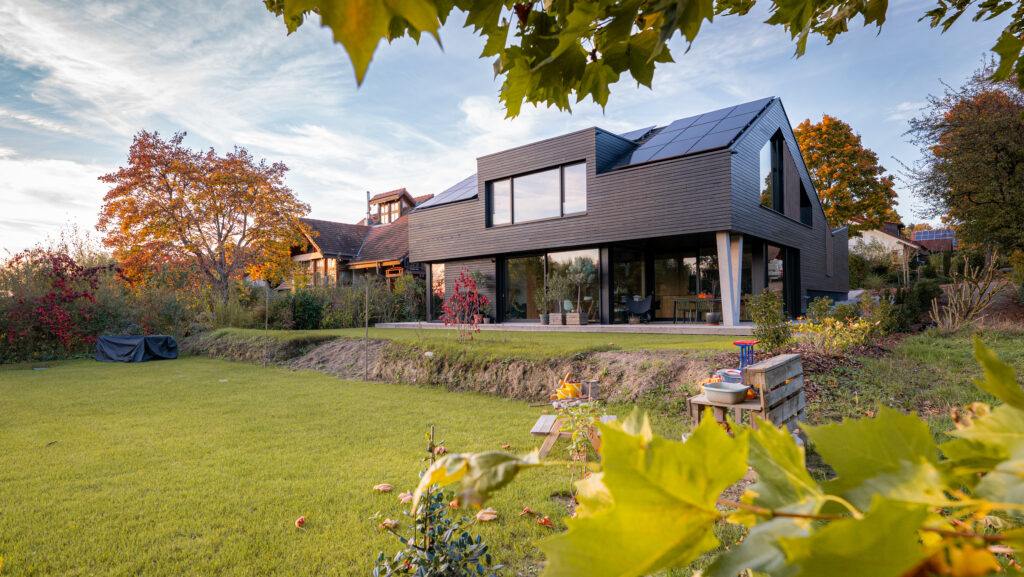
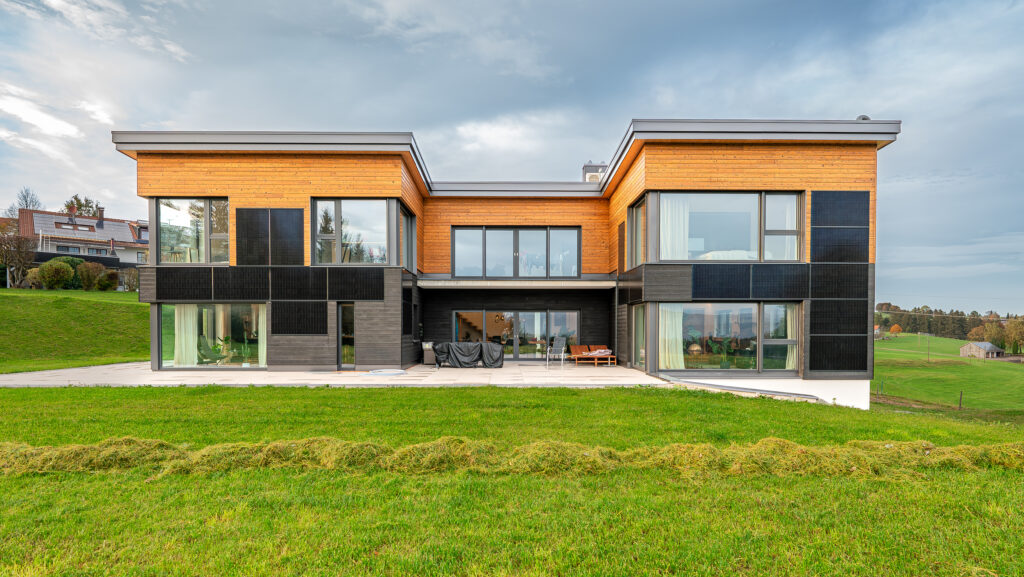
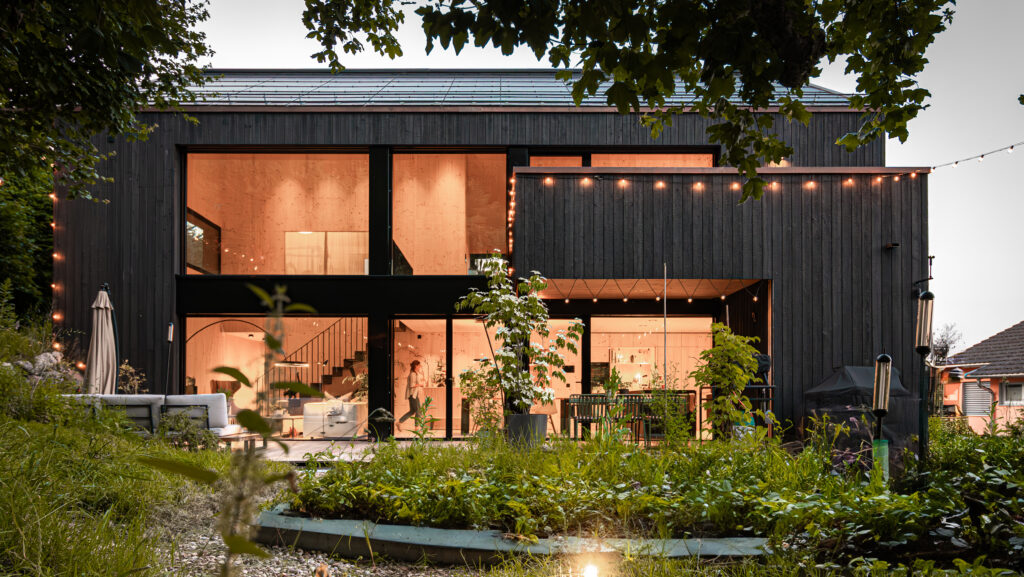
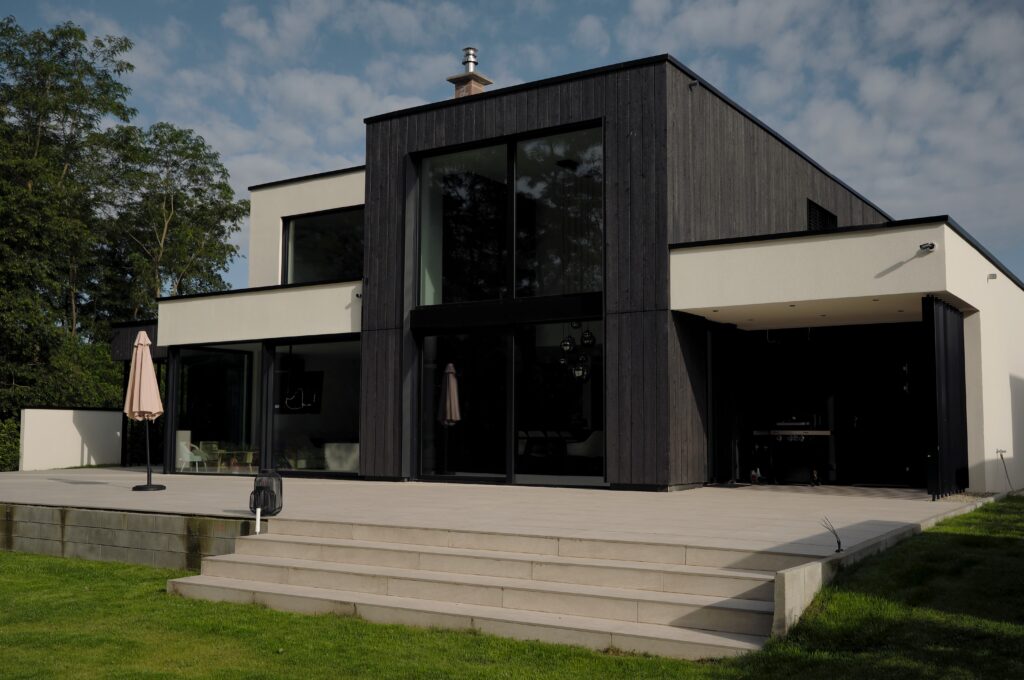
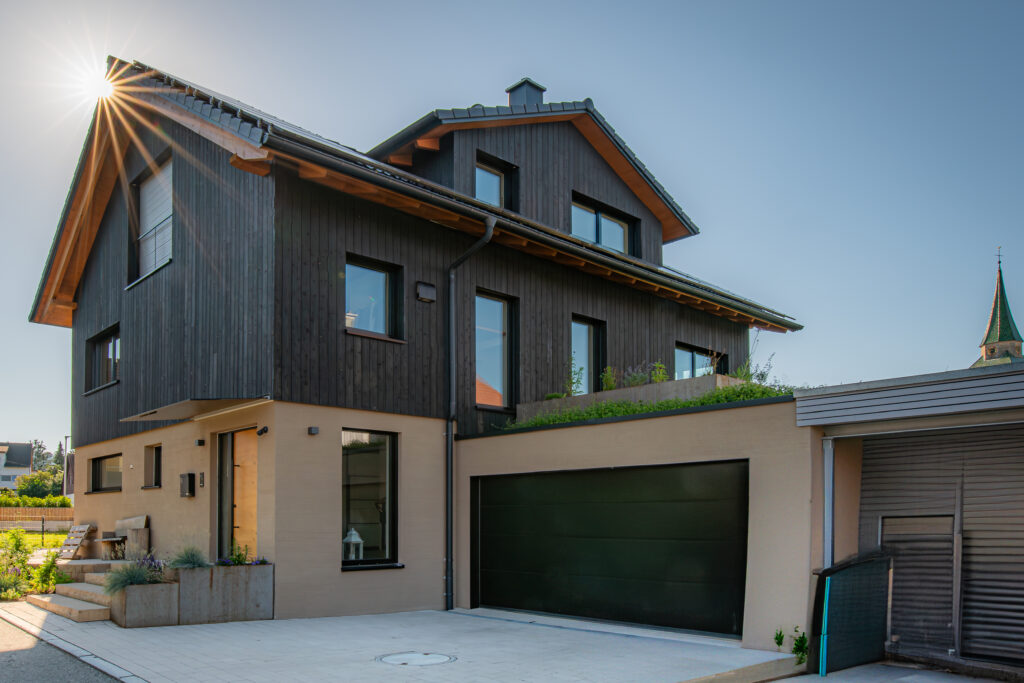
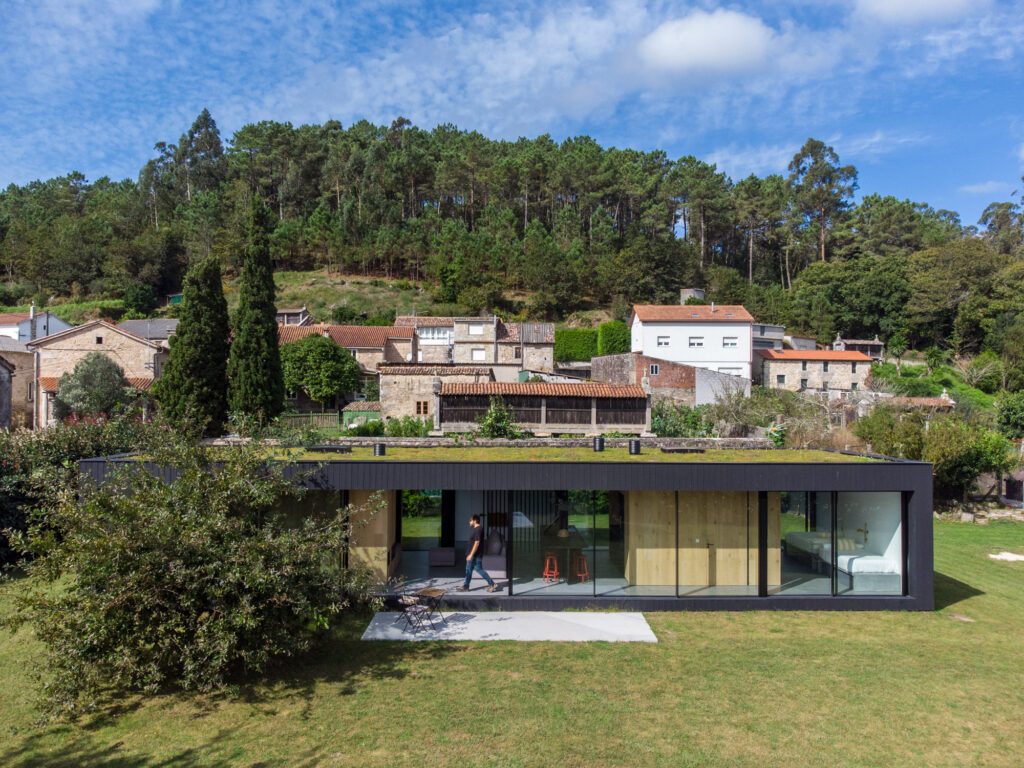
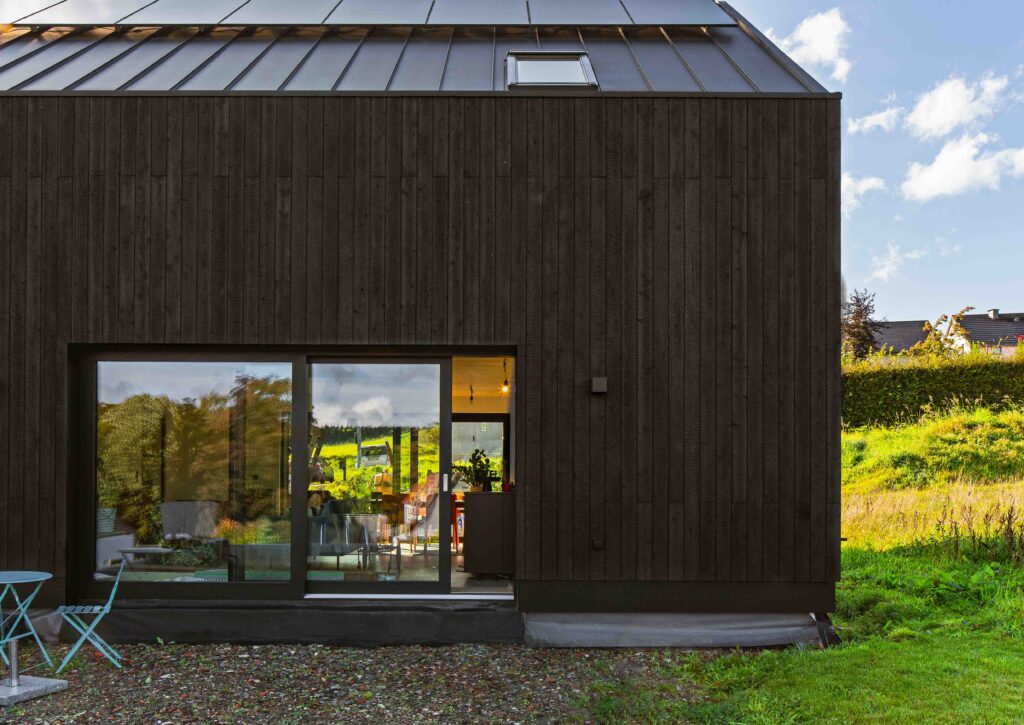
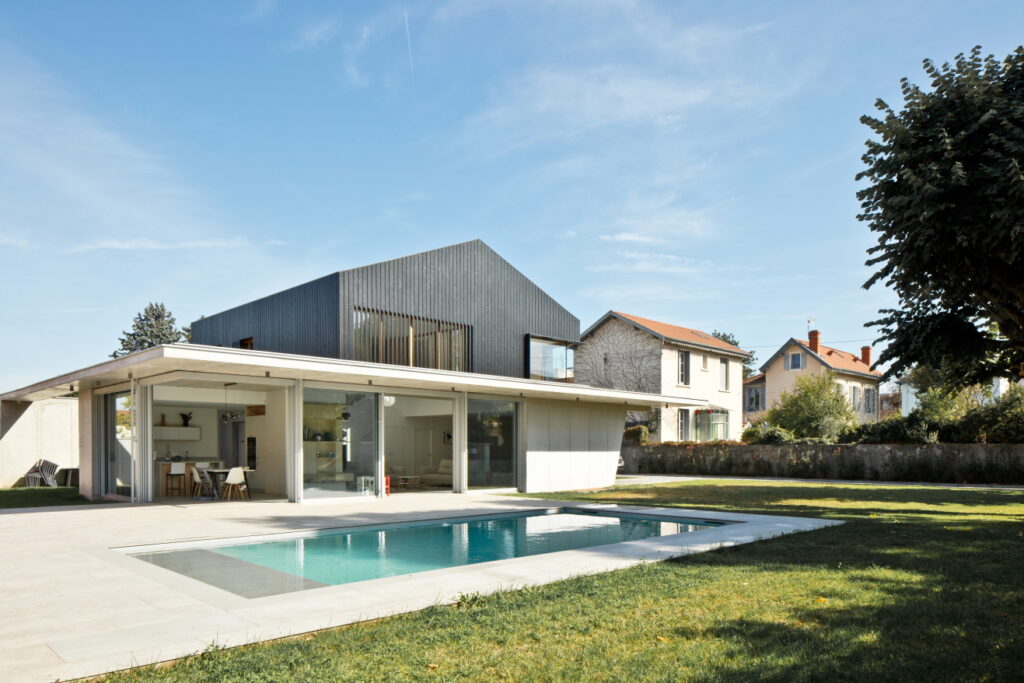
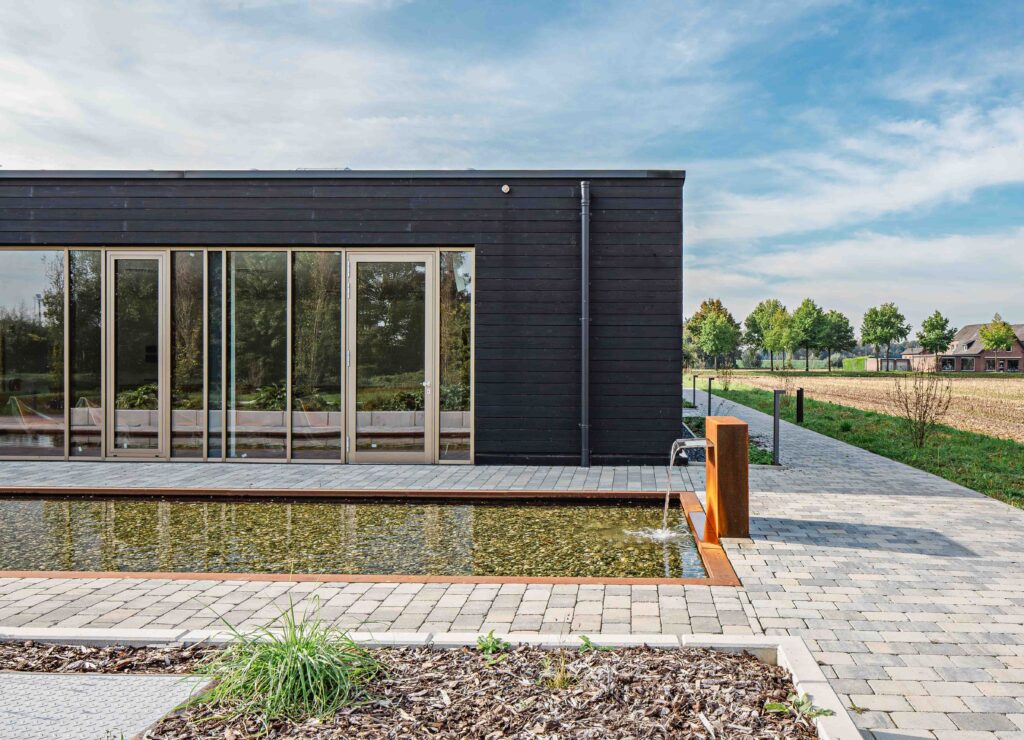
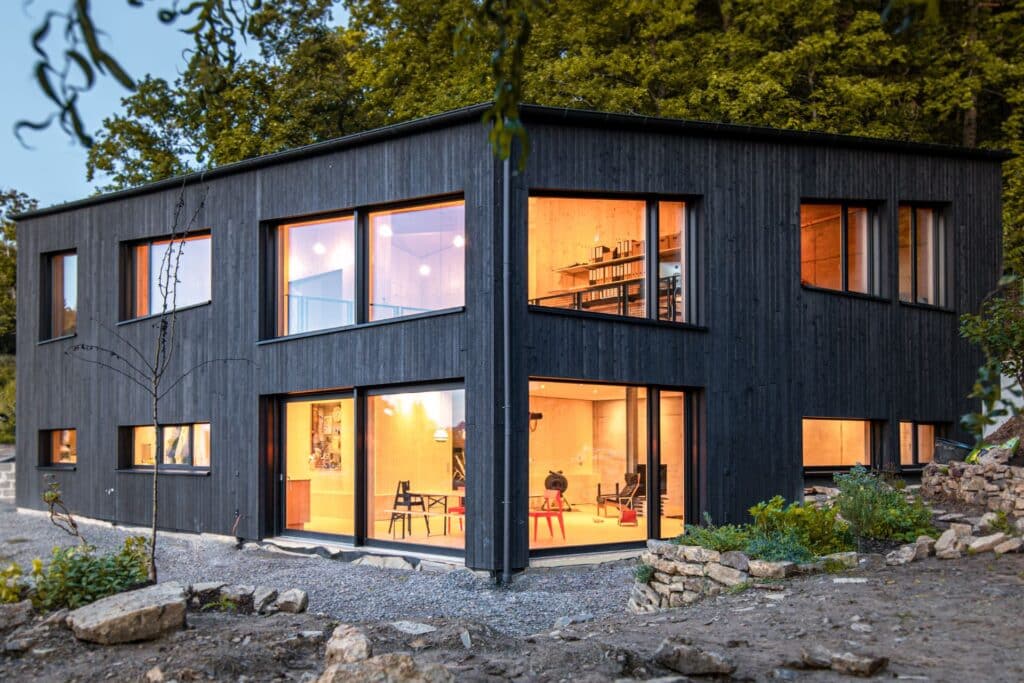
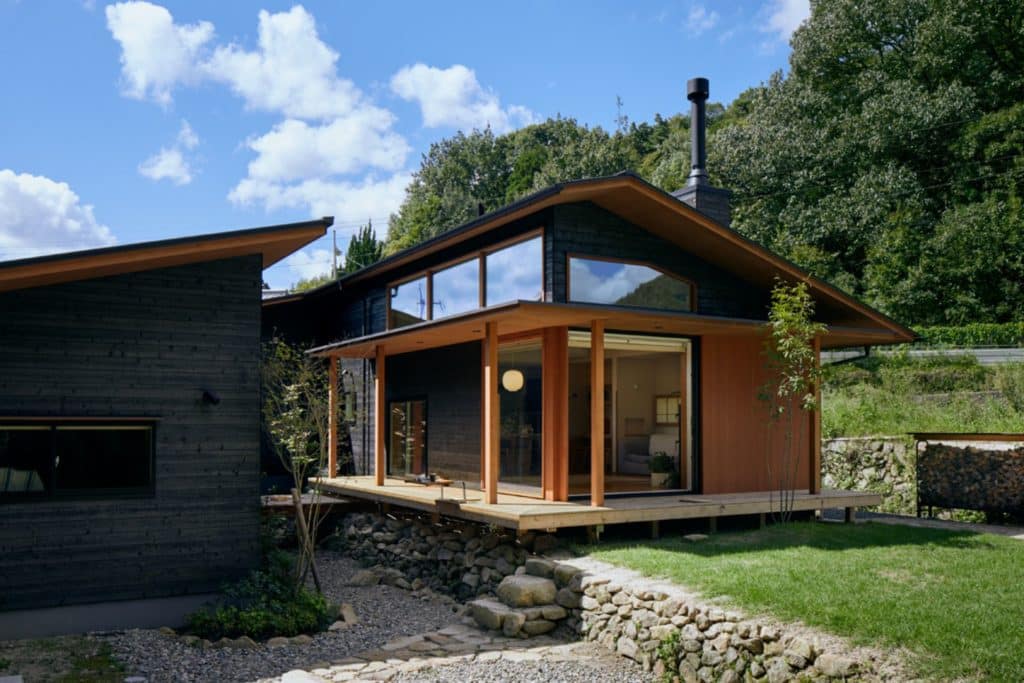
Our reference projects showcase the diverse applications of black wood.

FAQ - Black wood

What is special about black wood from Nakamoto Forestry?

There are now a number of black woods on the market. However, very few of them fulfil our quality criteria. As the world market leader in this field, we strictly follow the traditional Japanese method of charring Yakisugi, which requires a high level of experience, great skill and sensitive precision in the treatment of the wood. In addition, we only use sugi, the wood of the Japanese cedar, for our products.


As a traditionally managed family business with Japanese roots and global interests, we rely on tightly organised production management and a lean distribution system without external intermediaries. We are happy to pass on the resulting cost benefits to you. Our black wood Yakisugi is not a luxury product. As in Japan, our philosophy is that it should also be an affordable material in Europe.

Wood is one of the few renewable building materials. Japanese cedar grows comparatively fast and is harvested from Nakamoto Forestry’s own forests in Japan — around 2,000 hectares, certified to PEFC/SGEC standards (JIA-022 / CEFC 1901). Our products contain no chemical wood preservatives; on request, boards are finished with solvent-free oils based on linseed and tung oil, or water-based stains and lacquer systems.

Our Yakisugi (Shou Sugi Ban) products

Overview of our Yakisugi varieties

SUYAKI

The original yakisugi

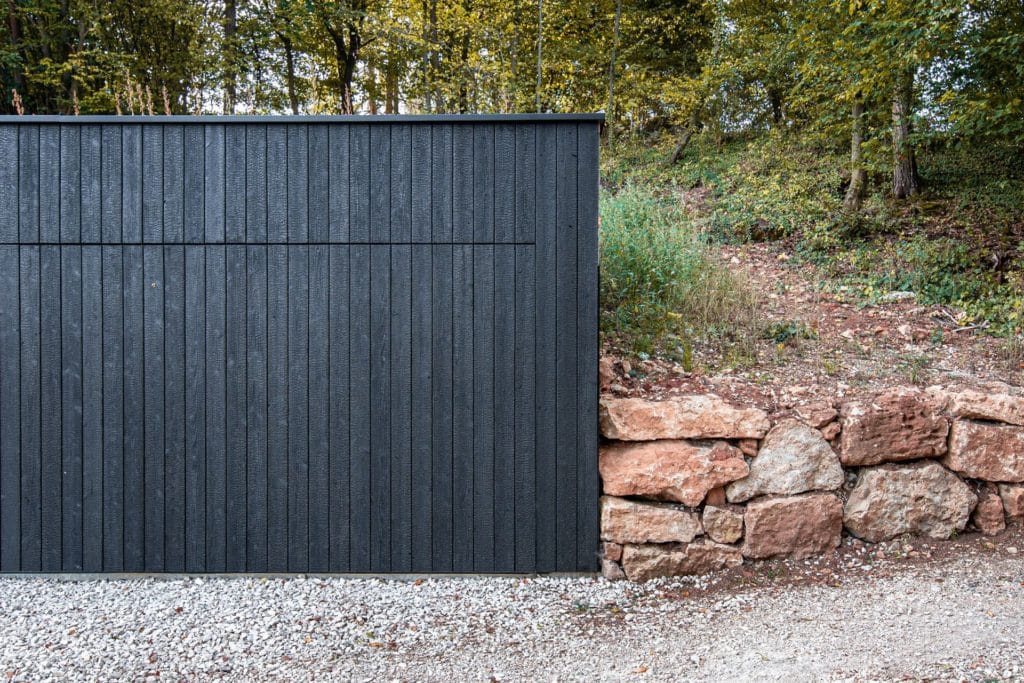
Suyaki is the original Yakisugi surface – and the most striking. The charring process leaves a deep midnight-black layer with a distinctive cracked texture that some compare to alligator skin. A bold statement for projects that demand attention.

GENDAI

brushed once

Gendai is brushed once after charring, removing most of the soot layer while preserving the subtle traces of the firing process. The result is a silky, refined finish that works with almost any architectural concept.

PIKA-PIKA

brushed twice

Pika-Pika – a Japanese word for something that catches the light – is brushed twice along the grain, revealing the cedar’s natural colours in full. Warm tones contrast with the remnants of the soot layer that cling to the knots and grooves.

Visit our reference projects

to get inspired for your black wood cladded façade.

Interested? Give us a ring: